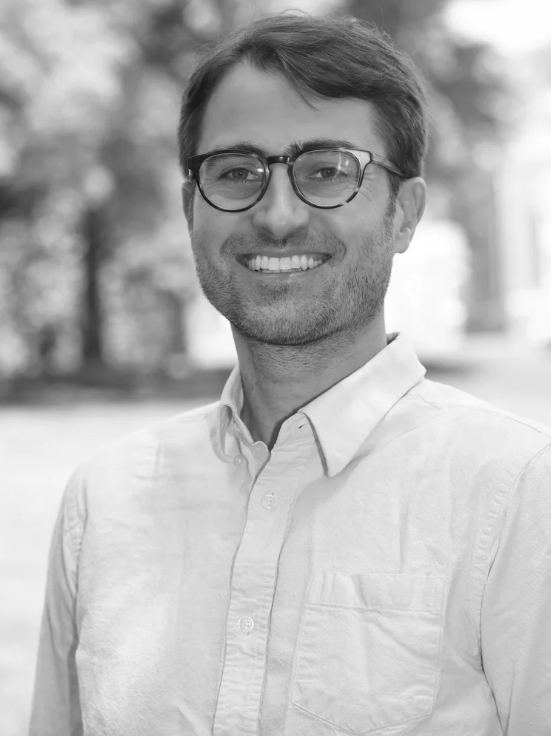
An Interview by ‘The Center for Excellence in Teaching, Learning & Leadership’
In the Spotlight: Dr. Daniel Cumming
This month we interviewed Dr. Daniel Cumming, Postdoctoral Fellow in the History Department at Queens College, to discuss best practices for working with student research assistants and to learn more about the international collaborative project, Melting Metropolis: Everyday Histories of Heat and Health in London, New York, and Paris Since 1945, which Dr. Cumming serves as a research fellow.
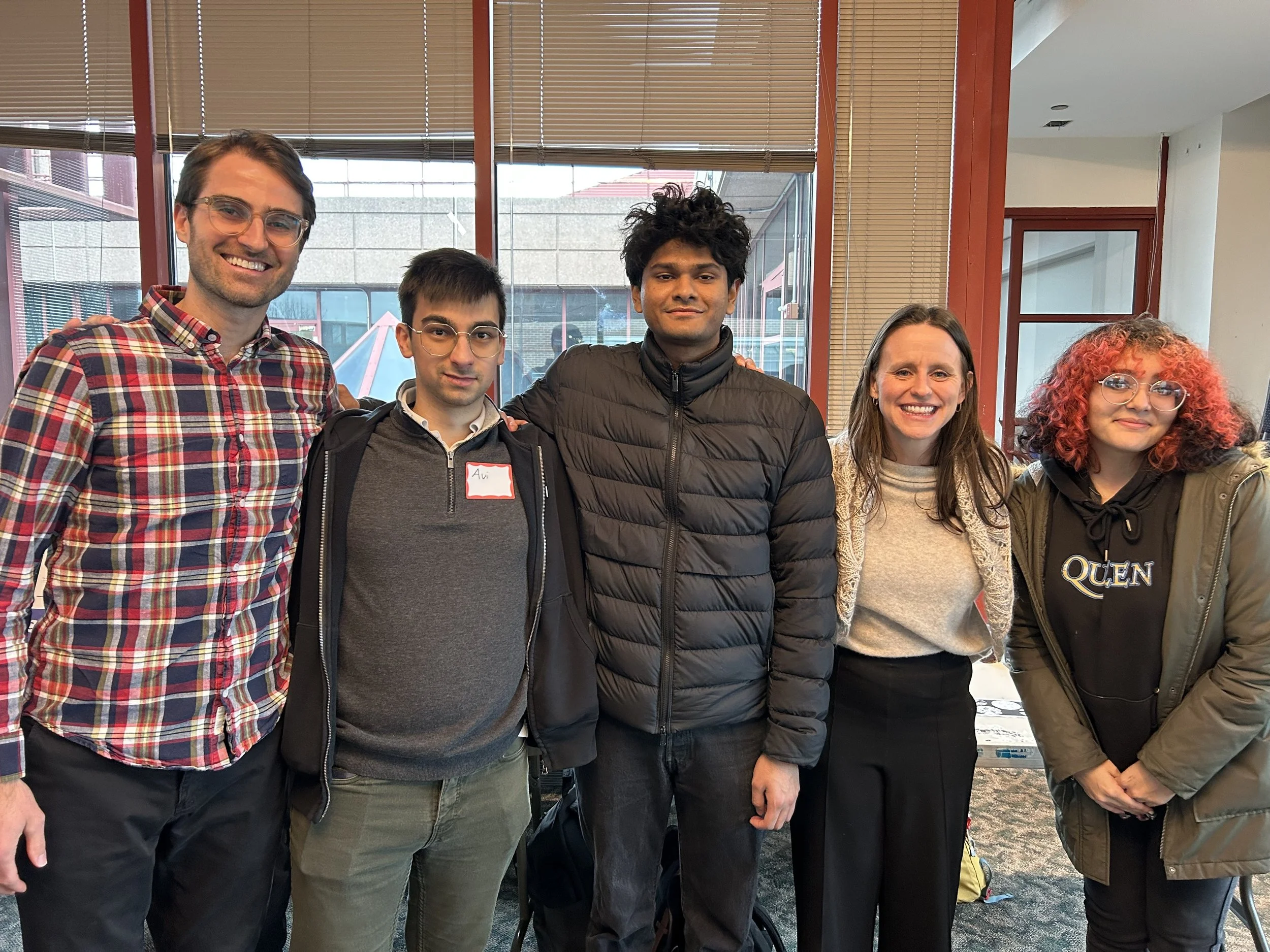
From left to right: Dr. Daniel Cumming, interns Avraham Kuighadush & Abid Fahim (spring 2025 intern), Dr. Kara Murphy Schlichting, & intern Kristal Melendez.
CETLL: Can you please explain the research project Melting Metropolis: Everyday Histories of Heat and Health Since 1945 and your involvement in it?
Dr. Daniel Cumming: Melting Metropolis is an international collaborative project between scholars at Queens and the University of Liverpool that explores heat, health, and climate change in New York, London, and Paris through a wide range of historical, contemporary, and artistic perspectives. Funded by the Wellcome Trust, a European foundation and one of the largest supporters of health research in the world, Melting Metropolis is an interdisciplinary project in the best possible way. We have 12 scholars across multiple campuses--from professors to graduate students--who are working at the intersections of history, geography, ethnography, anthropology, performance and fine arts, and community-engaged research. And this number does not include our fabulous undergraduate researchers here at Queens, who are crucial members of the research team in New York City! I’ll explain more about our undergraduate research assistantship in the questions that follow, but first I want to sketch out the full scope of the project, many parts of which our undergraduates have contributed to directly.
Dr. Kara Schlichting, Associate Professor of History, is a co-investigator with colleagues in Liverpool and head of our operations in the city, while I am a postdoctoral fellow on the project, specializing in urban, environmental, and oral history. In addition to participating in traditional academic conversations at conferences, through panels, and across campuses, our project is deeply engaged in public and community collaborations. Over the first several years of the project, we’ve built community engaged projects with local institutions, like Queens Memory Project (Queens Public Library), King Manor, Newtown Creek Alliance, and Good Old Lower East Side; we’ve presented research to public audiences, including folks at the New York Public Library Center for Educators and Schools, New York Climate Exchange during Climate Week, Pioneer Works’ Second Sunday, and Queens College alumni; and we’ve created public resources with organizations like Urban Archive, which produced an incredible digital map of New Yorkers’ historical and contemporary experiences with summer (check it out here: https:// mm.urbanarchive.org/pr/mm). You can follow all our work, local and international, at our website, https://www.meltingmetropolis.com.
CETLL: Why does this project engage undergraduate research assistants?
Dr. Daniel Cumming: As historians leading what can sometimes feel like a sprawling interdisciplinary research project, we have so many research directions that need engaged and energetic assistants to help process archival material, transcribe oral histories, examine policy reports, and even attend partner organization workshops to learn first-hand what it looks like to do community- engaged research. Research assistants therefore advance the scholarly needs of Melting Metropolis, while also satisfying the credit needs of the university, particularly through the Urban Studies Department’s Minor in Cities and Social Medicine. In this sense, our research assistants develop new skills and perspectives more akin to an internship in the field than a semester of rote filing and copying—though that can be important too! Indeed, “research interns” are key members of a larger collaborative project, one that is deeply committed to scholarly production, but also equally committed to providing the opportunity for undergraduates to develop their interests within the scope of the project—and to students seeing the fruits of their labor published, presented, and included in public collections. With full citational credit for their resumes and CVs, of course!