
DaeQuan’s work as a Community Artist with the Melting Metropolis project has involved exploring how climate narratives can be grounded in the lived experiences of those who face them everyday. This focus has culminated in the creation of a short-form documentary, titled ‘A Report on Elevated Conditions’. DaeQuan has detailed his rationale and process of development for this film below.
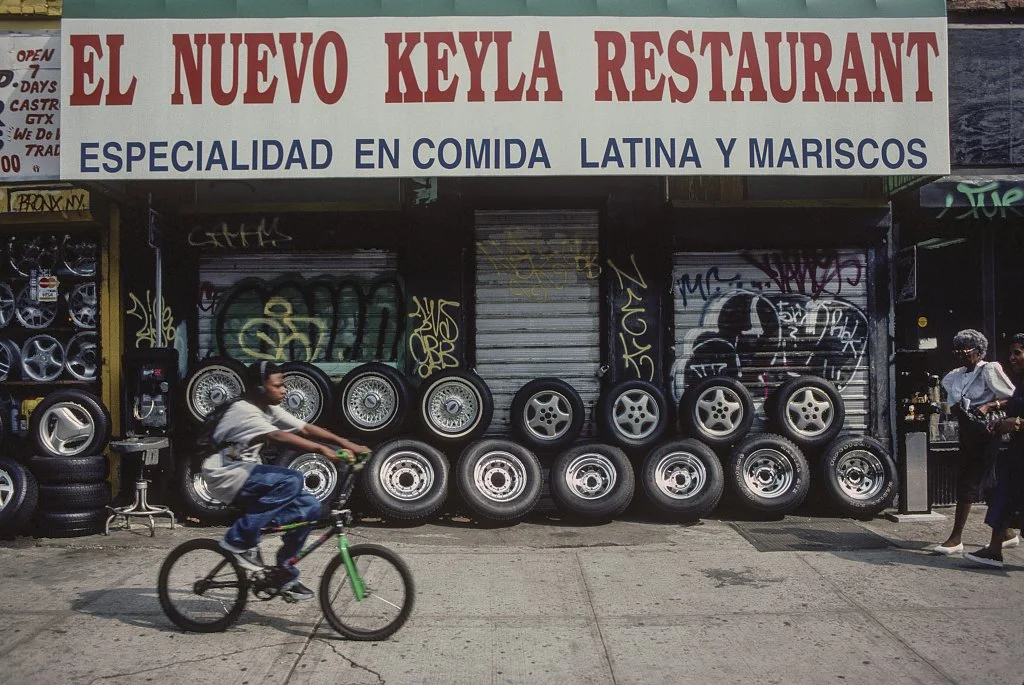
I joined the Melting Metropolis project because I wanted to find a way to communicate the immediacy of our warming climate. Summers are getting hotter, and we are already seeing what that means in New York. Extreme heat, flooding, and poor air quality are affecting people across the city, but what matters most to me is how unevenly those effects are distributed. Black and brown New Yorkers are more likely to live in areas with higher temperatures, heavier pollution, and fewer resources to deal with the consequences. Higher temperatures increase the risk of heat stress and dehydration, worsen conditions like asthma and cardiovascular disease, and contribute to higher mortality. None of this is accidental. These patterns are connected systems that have historically left us with greater environmental burdens and fewer resources to respond to them. For me, the question was how to communicate the stakes Black folks are up against, and how sound and moving images could make that urgency felt.
But I really, really didn’t want to make a film.
There is something easy and dangerous about making a film about brown people in crisis. I wasn’t interested in adding another image of struggle to the endless scroll. And honestly, I wasn’t sure anyone would care about it. We are barraged every day by images competing for our attention, and the actual relevance or accuracy of the “content” can feel increasingly beside the point. We scroll through feeds filled with manipulation, exaggeration, misinformation, and spectacle, often without stopping long enough to question what we are looking at. I wasn't interested in contributing to that.
Then came AI.
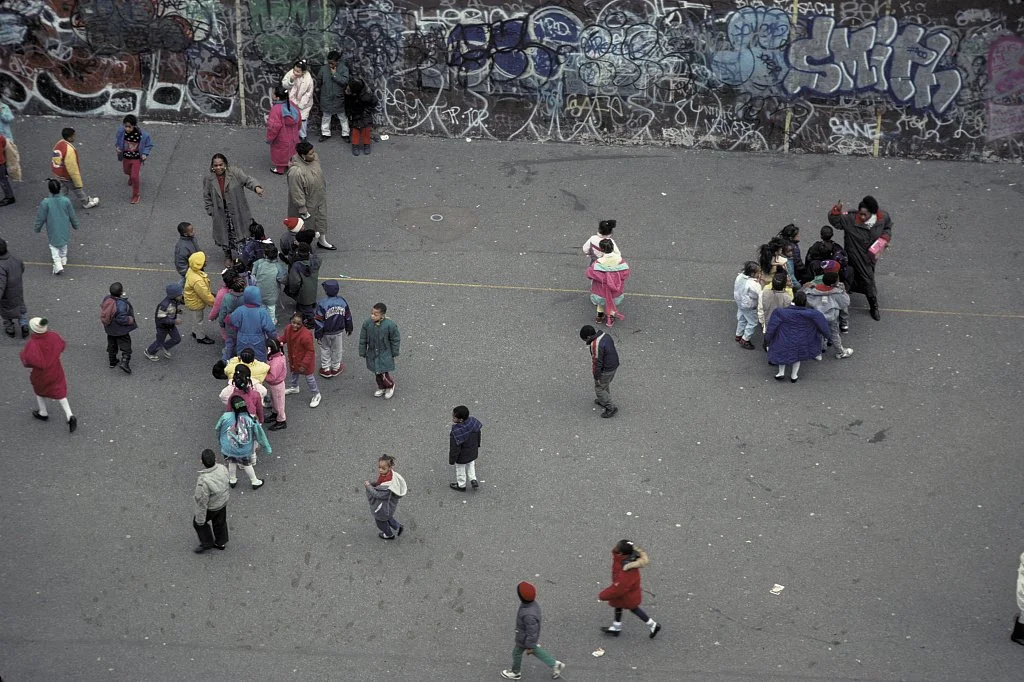
Over the course of the residency, AI kept coming up - in conversations, in the news, in our feeds. It felt inescapable. AI was suddenly everywhere: promising to transform how we write, how we work, how we create. But I kept coming across quiet mentions of how much power AI requires, how much water it consumes, and the enormous data centers being built to keep it all running. Emitting waste heat into already strained neighborhoods. We saw this in Boxtown, Memphis, where Elon Musk’s xAI opened what he called “the largest AI datacenter on the planet” in 2024. The largely industrial, predominantly Black area already had a cancer rate four times the national average and some of the country’s highest rates of asthma. The facility uses an estimated one million gallons of water a day to cool its servers, and has dozens of unpermitted gas turbines pumping out a level of emissions that, according to environmentalists, exacerbated health issues in the area. The more I noticed stories like those, the harder it became to separate the promise of AI from the backs of folks making it possible. AI represents so much of what we are calling progress right now, but that progress has a material cost. That tension became interesting to me. I started thinking more about how introducing a data center could compound the climate conditions folks are already living with.
At the same time, we have spent the last few years collectively experiencing one AI fakeout after another. This year an artificially-generated image of a Georgia mayor kissing a person went viral. AI models from two top tech firms acted on their own to adopt fake identities and deceive humans in a recent string of cyberattacks. Deepfakes. Fake images. Fake videos. Fake people. Real events that look fake and fake events that look completely real. And it all somehow feels plausible in the mindless scroll. That became useful to me, and I wanted to make something that could sit inside that uncertainty. I started wondering if I could use that attention to pull people into a story about climate.
That was where A Report on Elevated Conditions began.
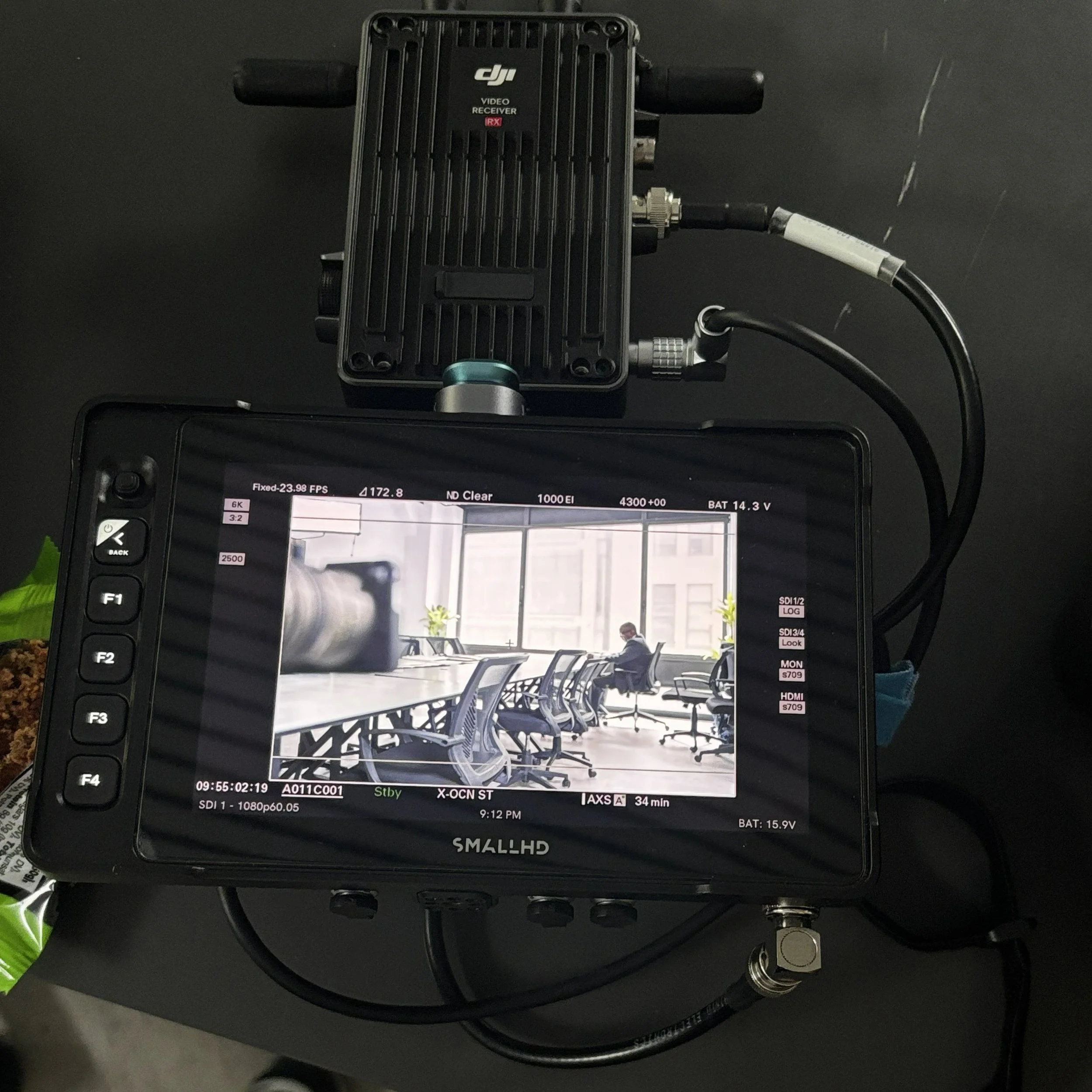
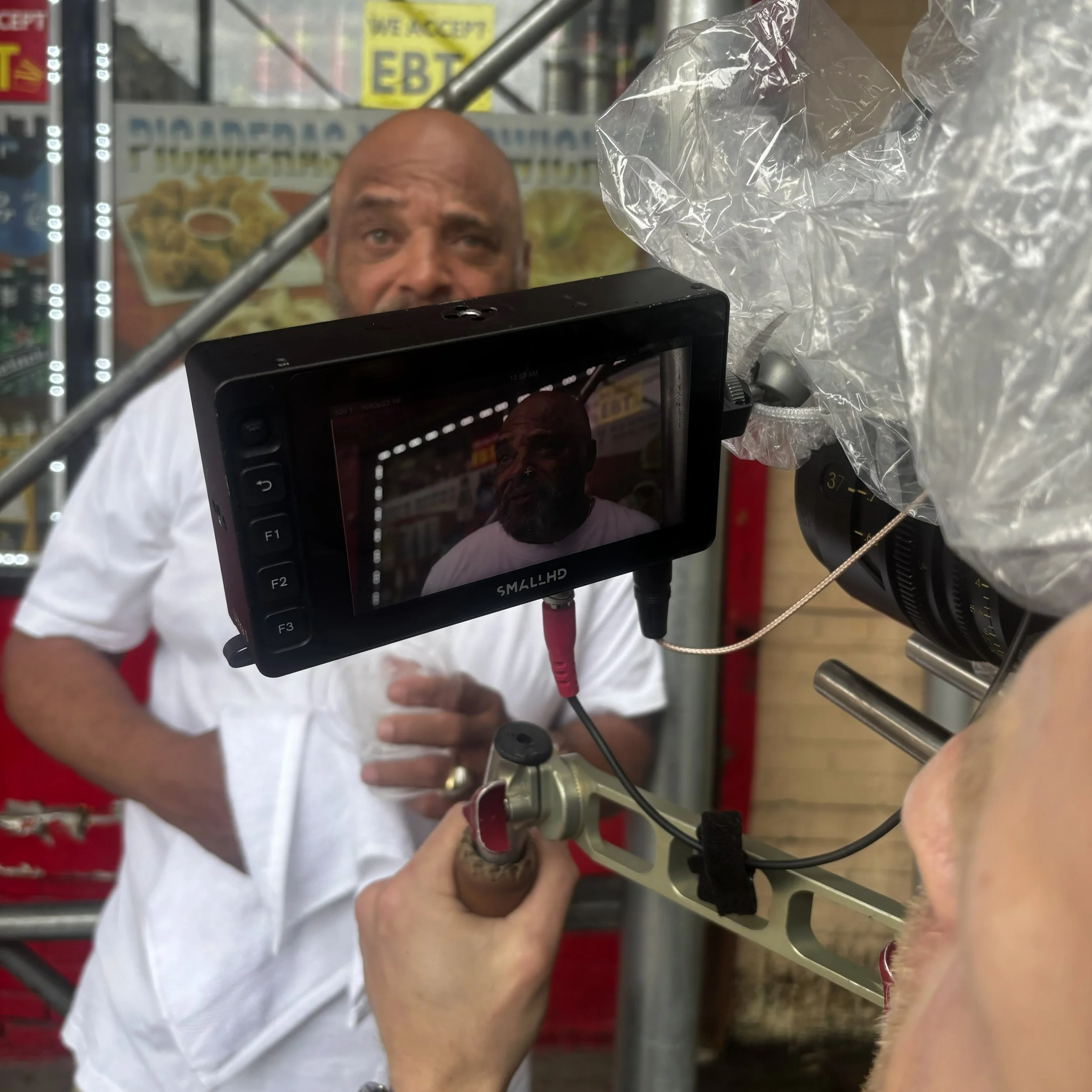
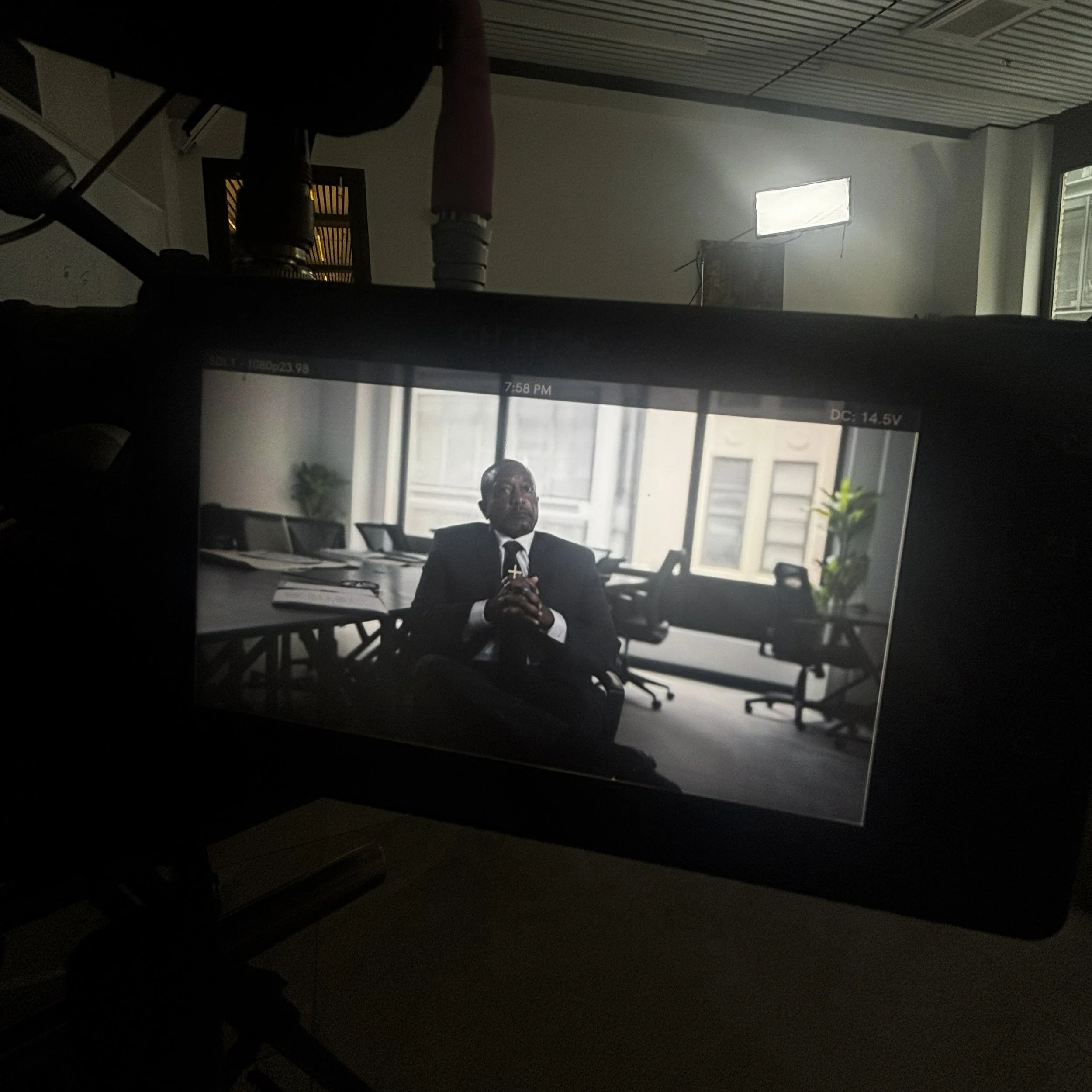
That led me to Hunts Point, in my hometown of the Bronx. Hunts Point is already shaped by highways, freight routes, waste and sewage stations, and years of environmental burden. If data centers continue expanding across the country, it isn’t difficult to imagine one ending up in Hunts Point or somewhere like it. When I started thinking about a fictional story about environmental degradation, infrastructure, heat, and the future of cities, Hunts Point felt like an obvious place to set it. The fiction had to be plausible. I kept thinking about what happens if those conditions escalate. What happens when the people already carrying the greatest environmental burden are asked to carry more? I wanted to bring those realities closer to people. So I leaned into the fiction and built a short-form documentary around an imagined data center in Hunts Point.