
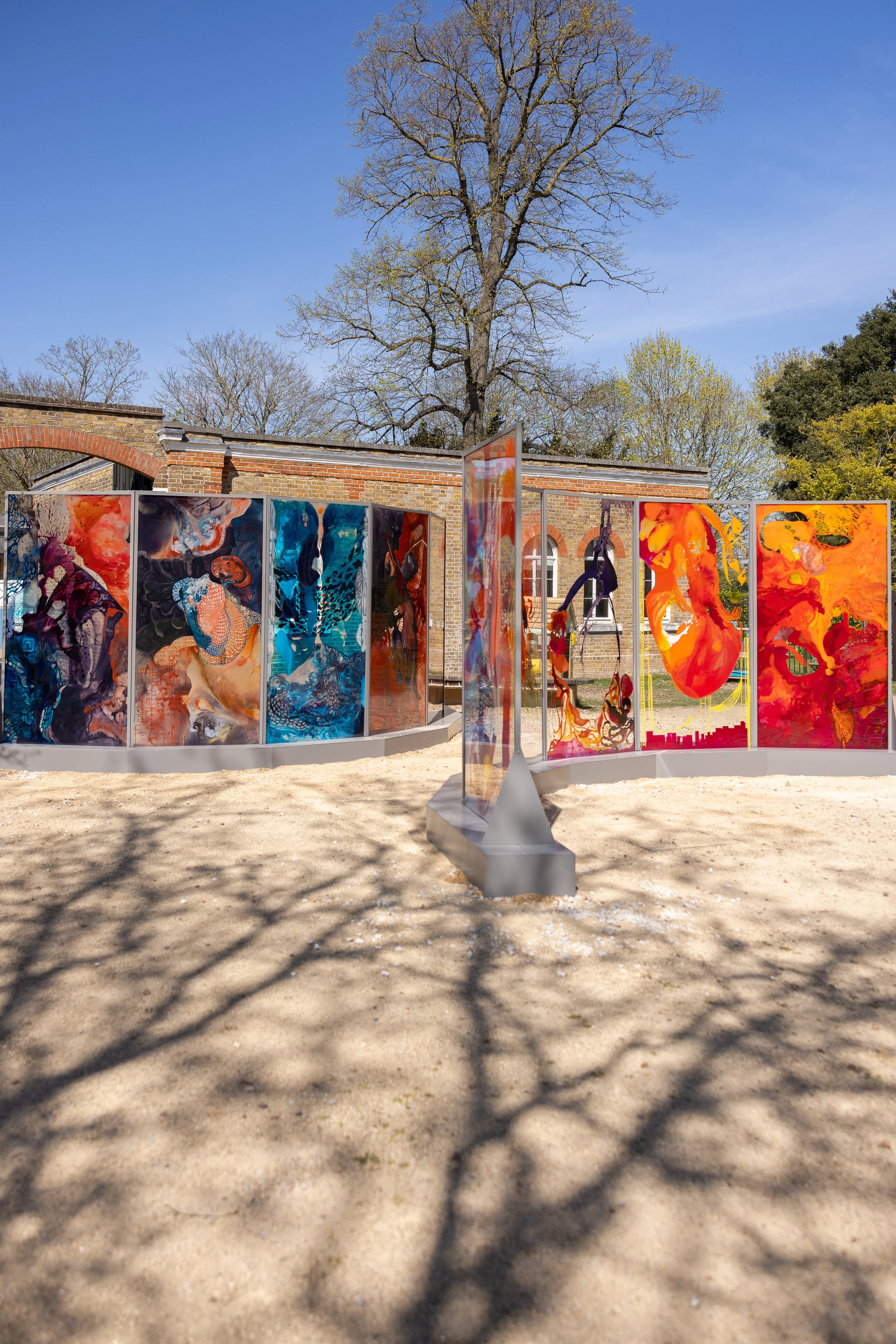
Resources
Academic Publications
-
Access embargoed until 19 June 2026 - keep an eye on the Melting Metropolis Instagram stories, where this will be announced once available.
-
Abstract
At the turn of the twentieth century, Paris, New York, and London were epicenters of urban modernity, but these cities and their inhabitants were ill-equipped to cope with summer heat. Urbanites experienced thermal discomfort directly through their personal sensory registers, and the search for cooling water was a major, although overlooked, aspect of collective urban life in summer. Drawing on sensory and environmental history, and on the archives of city authorities and popular depictions of social life, we find that obtaining watery relief from the heat was limited by inequitable access to cooling infrastructures, including municipal and philanthropic baths and pools, which were often insufficient to meet urbanites’ needs. Instead, Parisians, New Yorkers, and Londoners turned to informal and often illicit methods to overcome the thermal inequalities that were baked into the brick and stone of their cities. Keeping cool in the melting metropolis was a challenge that demanded resourcefulness, bravery, and a willingness to disregard the rules and social norms that tried to regulate the use of other watery infrastructures, including ponds, fountains, hydrants, rivers, and canals. As present-day city authorities develop local adaptation plans in response to the global climate crisis, the fact that the coolness of water did not come easily or equally to turn-of-the-century urbanites should be at the forefront of our minds.
-
Open Access chapter to be made available soon - keep an eye on the Melting Metropolis Instagram stories where this will be announced.
Abstract
Participatory and collaborative research approaches have become increasingly prominent in the social sciences and humanities, valued both as research methodologies and as instruments of social change. Positioned as democratic and empowering, such approaches aim to foster equitable forms of knowledge production. However, critical engagement with their epistemological and ethical dimensions remains limited in human-environment health research. Despite intentions to redistribute epistemic power and honour diverse knowledges, such approaches can unintentionally reproduce hierarchies or misrepresent participant needs. In this chapter, we interrogate assumptions underpinning collaborative research, specifically notions of empowerment, impact, and representation, whilst reflecting upon the tensions that surface when ideals confront the realities of fieldwork. Drawing on three reflective case studies, we explore: (1) refusal as a form of participation, where communities resist imposed research narratives; (2) the ethical dilemmas of creative methods, which may burden participants despite their inclusive appeal; and (3) challenges in interdisciplinary collaboration, highlighting the necessity of trust and epistemic humility. We call for a more reflexive, context-sensitive approach that embraces the complexities of collaboration, recognises the limits of co-production, and critically engages with the pressures of impact-driven research. This chapter contributes to ongoing debates by offering grounded insights into the ethical and epistemological tensions of co-produced knowledge.
-
Abstract
Seasons form part of changing sensory experiences of urban environments. But it is important to note that, at times, urbanites broke down seasons into smaller slices. The “Dog Days” are a case in point. This term has now passed into urban myth, but the linking of Sirius with the heat of the summer and canine madness during the dog days stretches back to at least the Romans, and was still widely feared and discussed in the nineteenth century. This roundtable intervention aims to recover the meaning and experience of this season within a season using nineteenth-century New York City as a case study. Drawing on newspaper articles, medical reports, and other sources, it will discuss how the dog days were framed as a louche period of sultry heat and canine madness, a time when tempers and the fabric of urban life frayed. Situating itself within urban environmental and sensory history, this essay also aims to bring together climate and animal history. Before the widespread acceptance of germ theory at the end of the nineteenth century, the theory that the heat of the dog days and the strange influence of Sirius caused rabies was hotly debated in the press and among doctors. It also stoked vivid fears of the dog days, which led to material changes in the lives of dogs: muzzling, impoundment, and death. The dog days was a time when the nonhuman agencies of climate and canine seemingly combined in ways that threatened the physical and emotional health of New Yorkers. As such, the dog days stood for the sinister side of summer that was only broken with the arrival of autumnal freshness.
-
Abstract
Seasons shape infrastructures, temporalities, and life worlds in fundamental ways. Urbanites have long recognized the seasonality of their environments, but seasons have been little studied by historians. This special section explores the diverse ways that urban seasonality affects urban life, focusing on cities in temperate zones across the globe, from North America to Europe to Japan. This collection of essays shows how seasonal rhythms, differentiated from weather (with its transient nature) and climate (with its vast scales) can reveal new areas of inquiry for historians concerned with how urban environments are located in time and space. Taken together, these collected essays move beyond seasonal descriptions to frame seasonality as an analytical and methodological tool, suggesting new ways of thinking about everything from childhood to potholes, social solidarity, style, sewage and human-animal relations. This introduction is an effort to focus our attention on urban seasonality as generative of often surprising ways of approaching familiar topics in urban history.
Researcher Biographies
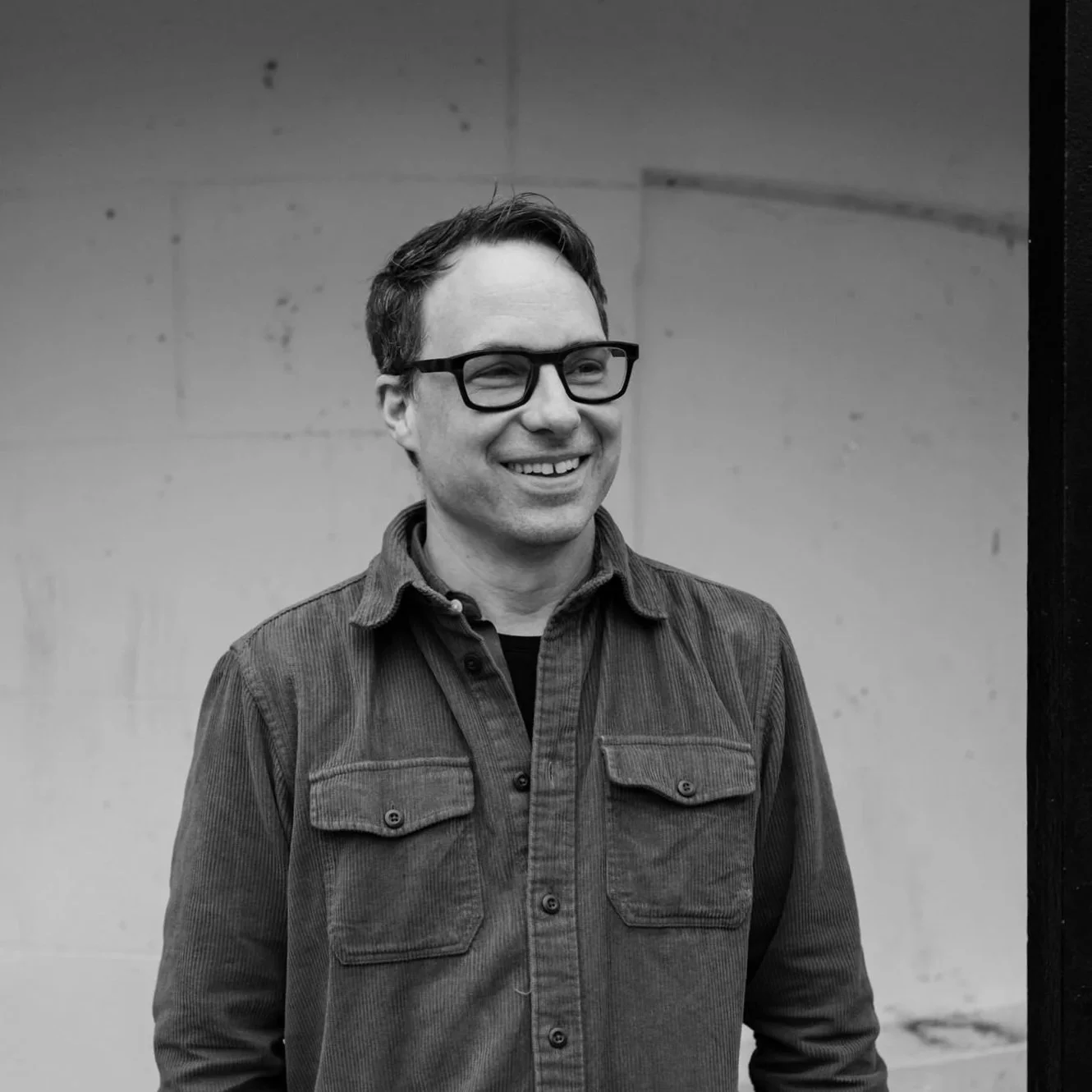
Principal Investigator
Co-investigator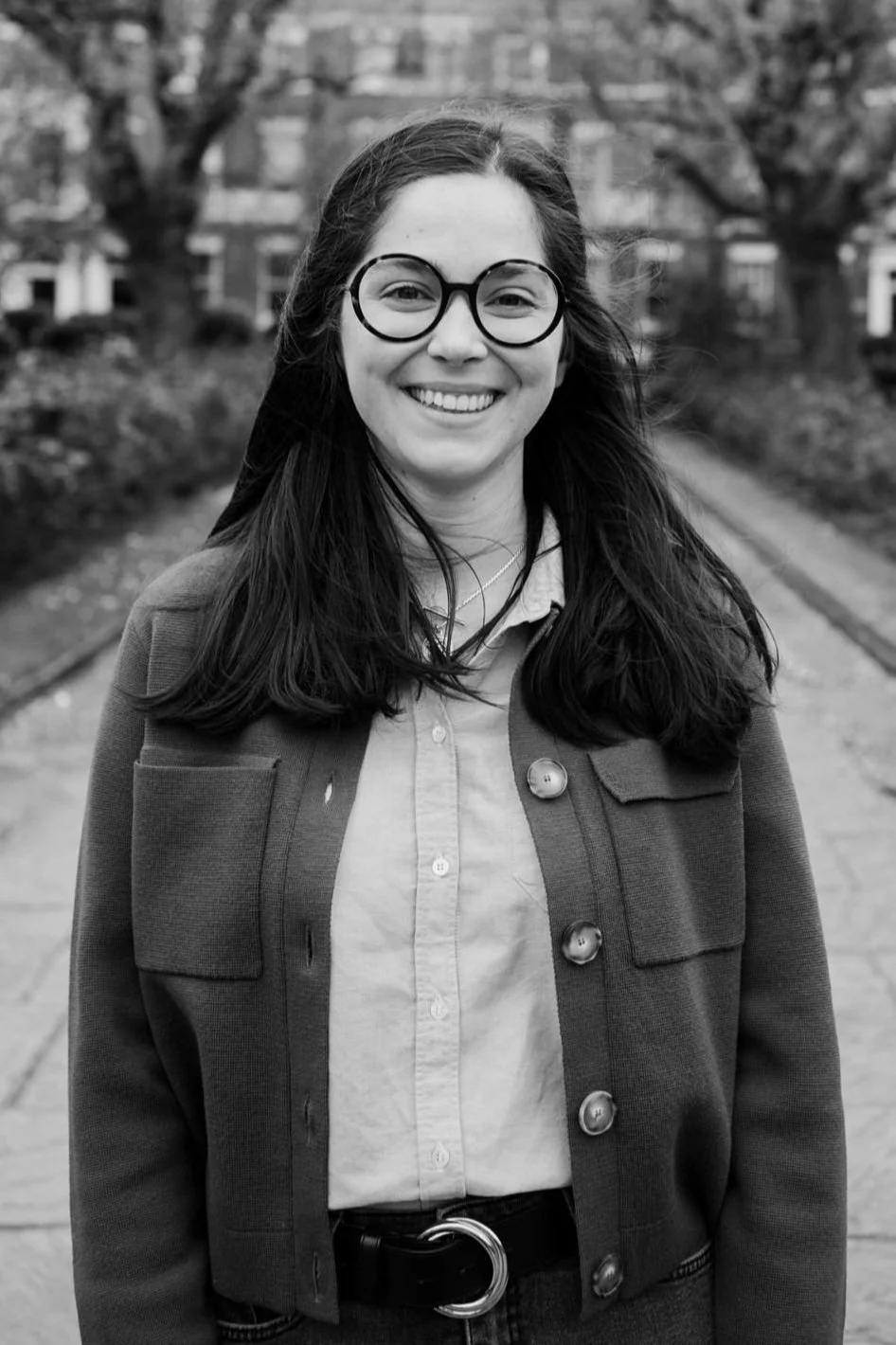
Postdoctoral Research Associate
Postdoctoral Research Associate
research artist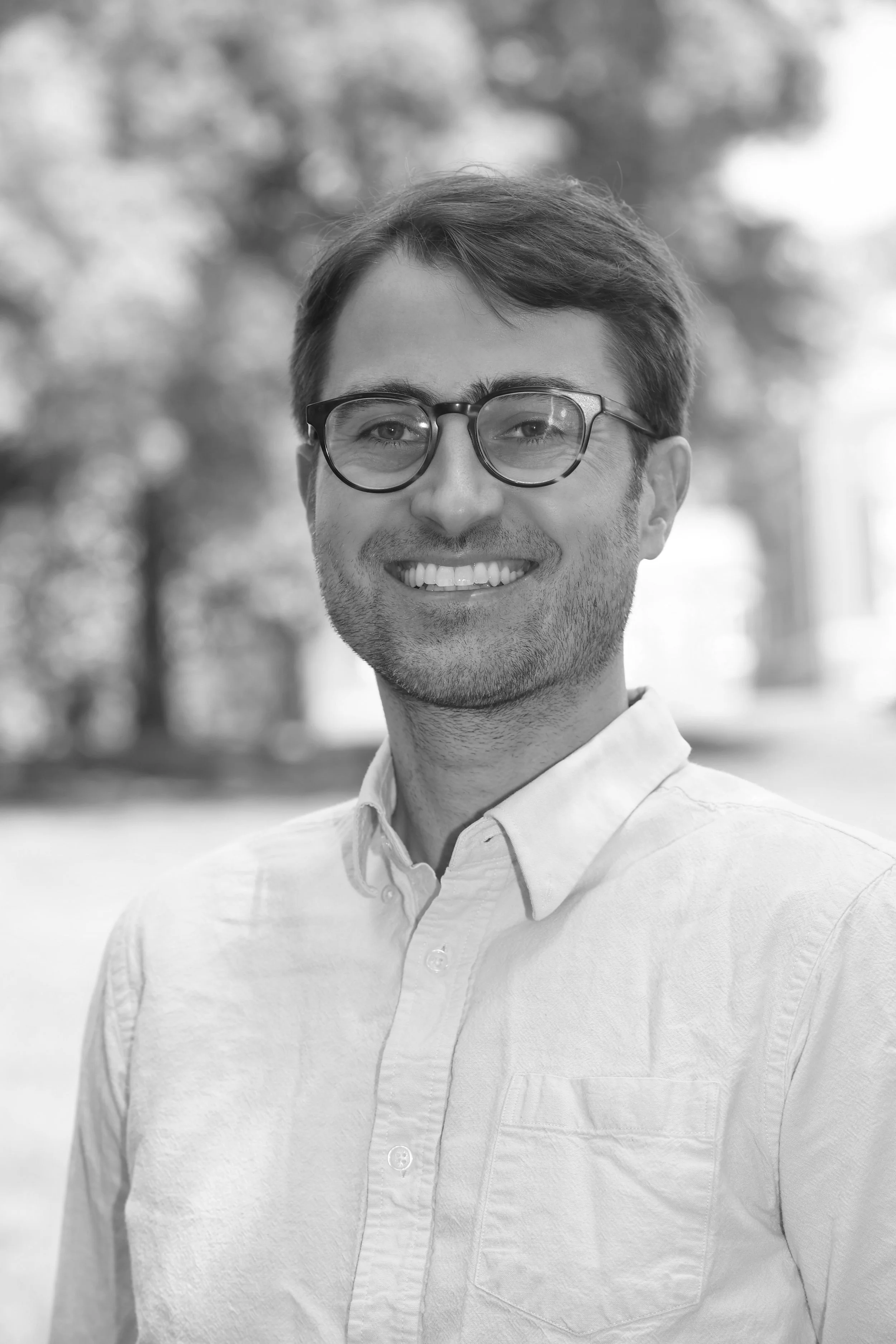
DR DANIEL CUMMING
Postdoctoral Research Associate
Postdoctoral Research Associate
Co-investigatorFilms
Stand of the Sun is a live performance where environmental history meets the wonder of celestial interconnectedness. Integrating choreography inspired by Western and Caribbean flow with harmonic invocations inspired by nature, it offers a new ritual amid climate chaos.
For more information, see our dedicated Public Engagement page.
Our behind-the-scenes documentary details the process of creating and delivering ‘Stand of the Sun’ and ‘My Body is a Sundial’.
For further information about Bryony Ella’s work, please visit her website.